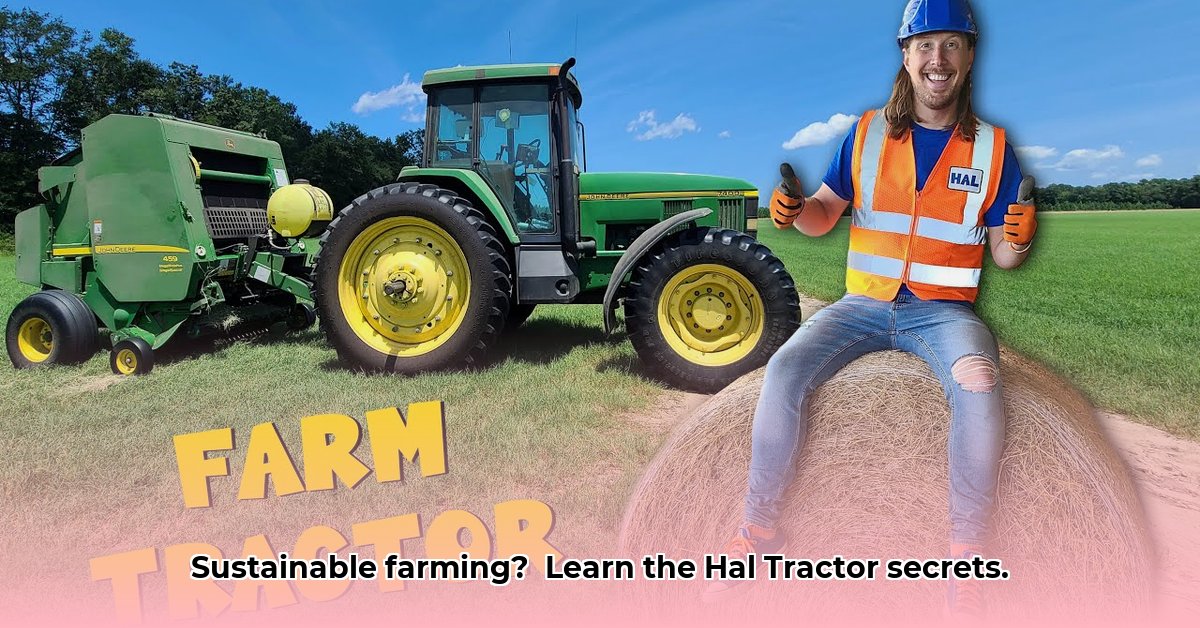
Handyman Hal's Tractor: Sustainable Farming Techniques
Ever wondered how to farm smarter, not harder, while being kind to our planet? Handyman Hal's YouTube videos showcase amazing tractor skills for sustainable farming. This guide breaks down his techniques, adding extra details and exploring broader sustainable practices. We'll cover everything from tractor maintenance to specific farming tasks, empowering you to adopt these earth-friendly methods. For another sustainable farming approach, check out this chicken tractor guide.
Keeping Your Tractor in Tip-Top Shape
A well-maintained tractor is a fuel-efficient tractor, meaning less money spent and a smaller carbon footprint. It also equates to fewer breakdowns and a longer lifespan – a win-win for your wallet and the environment. Think of it as preventative maintenance, avoiding bigger, more costly problems down the line.
- Regular Checkups: Schedule routine maintenance, including oil changes, filter replacements, and general inspections. This is preventative medicine for your machine.
- Fuel Efficiency: Proper tire inflation significantly impacts fuel consumption. A clean air filter ensures efficient engine operation. Regular engine tuning is crucial for optimal fuel use.
- Proper Storage: Protecting your tractor from the elements (rain, sun, snow) prevents rust and damage, extending its lifespan. Store it in a shed or carport.
Did you know that even small maintenance tasks can lead to significant fuel savings over a year? A recent study showed that proper tire inflation alone can improve fuel efficiency by up to 15%.
Sustainable Farming Practices with Your Tractor
Handyman Hal's videos demonstrate sustainable farming in action. Let’s break down some key techniques:
- Beach Cleanup: Using specialized attachments, tractors can effectively remove debris from beaches, protecting coastlines. This unexpected application highlights the versatility of tractors for environmental conservation.
- Hay Baling: Efficient hay baling reduces waste and maximizes yield. Properly maintained equipment ensures less fuel is wasted and produces higher quality hay. This directly impacts the health and well-being of livestock.
- Multi-Purpose Farming: Using a tractor for various tasks (plowing, transporting) increases overall efficiency and minimizes fuel consumption compared to using multiple machines. It streamlines your operation.
How does this contribute to sustainability? By reducing fuel usage and material waste, we directly lessen the environmental impact of farming.
Expanding Your Sustainable Farming Horizons
Beyond Handyman Hal's techniques, further sustainable practices enhance your eco-friendly farming.
- No-Till Farming: This method avoids tilling the soil, preserving its structure, moisture, and reducing erosion. This also minimizes the need for chemical fertilizers and pesticides.
- Precision Agriculture: GPS-guided tractors and sensors optimize resource use, applying the right amount of water, fertilizer, and pesticides, reducing waste. This is like having a highly efficient farm assistant.
Think about it: How much could you save on fertilizer alone by using precision agriculture? Studies show reductions of up to 40% are possible.
Measuring the Environmental Impact
While specific data on Handyman Hal's tractor fuel efficiency is currently unavailable, comparing it to other models highlights the importance of efficiency. More detailed information is needed for a complete assessment. However, by carefully tracking fuel usage, comparing different farming practices, and monitoring soil health, we can gain valuable insights into the environmental impact of any tractor, including Handyman Hal's.
Conclusion
Adopting sustainable farming techniques with your tractor is a journey. Every small step, from proper maintenance to employing innovative farming practices, contributes to a healthier planet and a more sustainable future. By learning from Handyman Hal and continually exploring new methods, you can significantly reduce your environmental impact and build a more sustainable farm.